📚 Knowledge Base & Articles

Plush Toy Manufacturing Insights & Blog

Stay updated with technical guides, soft toy production processes, OEM trends, and safety standards from KID IN U.

0%

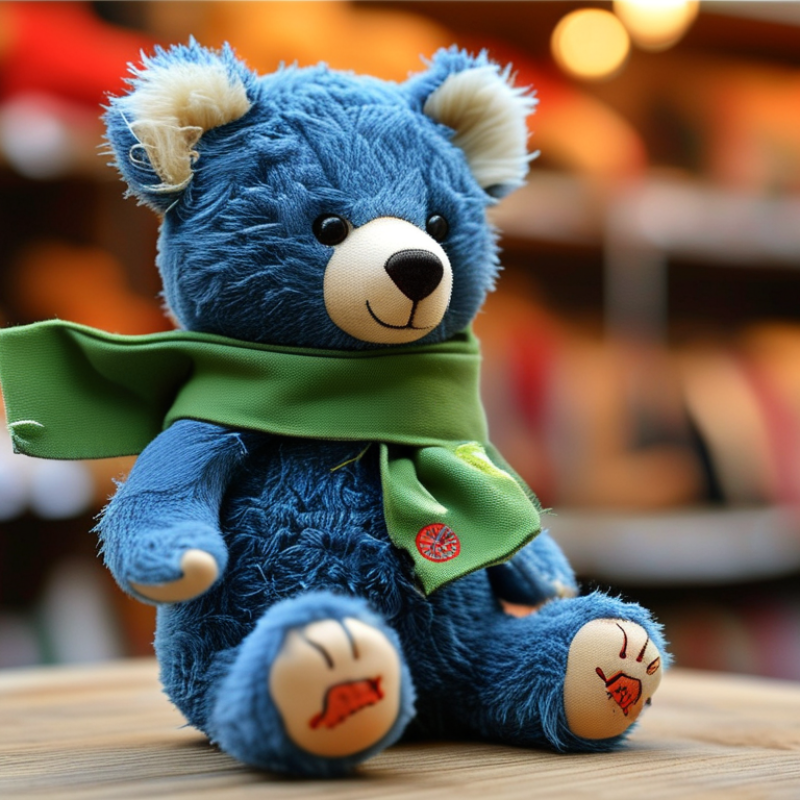
Private label plush toys are soft products created for one retailer, brand, or organization and manufactured under its own name. Unlike ordinary wholesale toys, they carry a distinctive identity, from the embroidered logo to the character’s facial expression. A bear may have longer ears, a softer gray fabric, or a small green scarf matching a company’s brand colors.

Richard Gottlieb, a veteran toy-industry analyst and CEO of Global Toy Experts, describes the category’s deeper value: “A toy is not just a product; it is a promise of play.” That idea explains why private label plush toys require more than attractive artwork. The buyer must define the target age, intended use, dimensions, filling, fabric texture, packaging, and production quantity. Every detail affects cost and customer trust.

An experienced developer usually begins with sketches, then builds a physical prototype. The prototype may feel too firm, look unbalanced, or lose its personality after stitching. That is normal. Improvement often comes from noticing small failures. A crooked eye matters.

Manufacturers should also review applicable product-safety requirements, material documentation, age grading, labeling, and quality-control procedures for each selling market. These steps help reduce avoidable risks and support dependable purchasing decisions. However, compliance alone does not make a plush toy memorable. A technically acceptable product can still feel ordinary.

The strongest private label plush toys combine recognizable branding with emotional warmth. They invite touch, encourage attachment, and remain clear in photographs and store displays. For that reason, private labeling is not merely adding a logo. It is the careful translation of a brand’s personality into a soft, physical companion.
What Is a Private Label Plush Toy?

Definition and Core Features of Private Label Plush Toys

What Is a Private Label Plush Toy?

Definition and Core Features of Private Label Plush Toys

A private label plush toy is manufactured by one company and sold under another company’s name. The buyer usually provides a concept, design direction, or target customer profile. The manufacturer then develops the toy, selects materials, and manages production. This model gives businesses more control than selling a standard, ready-made product.

Design ownership is a central feature. Buyers may choose the character shape, fabric texture, colors, embroidery, filling, labels, and packaging. A soft velour body feels different from short-pile fabric, while stitched eyes may offer a cleaner appearance. The product should also match the intended age group and use environment. Small details matter. A loose seam can damage customer trust.

Quality control requires more than checking the finished cartons. Reliable development includes prototype reviews, material inspections, seam testing, color checks, and documented production standards. Safety requirements vary by market, so qualified testing and current compliance records are important. Minimum order quantities, production timelines, and packaging costs should be confirmed before approval.

A sample may look perfect but hide weak stitching. That is where plans often fail. Clear measurements and inspection criteria reduce avoidable mistakes. Still, no production process is completely flawless. Fabric shade, stuffing density, or embroidery position may change slightly between batches. Careful buyers allow time for corrections instead of rushing directly to mass production.

How Private Label Plush Toys Differ From Custom and Branded Products

What Is a Private Label Plush Toy?

A private label plush toy is produced by a manufacturer but sold under your own name. The factory may offer an existing bear, rabbit, or animal-shaped design. You choose the fabric, colors, label, packaging, and selected details. The core pattern usually remains unchanged.

This differs from a custom plush toy.

Custom production begins with your concept, sketch, or 3D model. The manufacturer develops new patterns, samples, molds, and production methods. It usually requires more time, higher development costs, and several sample revisions. A private label option is faster because much of the technical work already exists. That convenience has limits. The toy may resemble products made for other sellers.

A branded plush product

A branded plush product depends on an established identity, design language, or licensed character. Its value often comes from recognition and consistent brand presentation. Private label products build identity through your own packaging, product story, and customer experience instead.

During sourcing, check stitching strength, filling distribution, fabric softness, label accuracy, and color consistency.

Request a physical sample before placing a larger order. Test the sample for loose threads and small detachable parts. Keep inspection records and product specifications. These details support safer, more reliable purchasing decisions.

Yet even careful checks can miss defects. A second review is wise.

The Private Label Plush Toy Development Process

What Is a Private Label Plush Toy?

A private label plush toy is designed for one seller but manufactured by a specialized factory. The seller controls the character, label, packaging, and customer experience. Development begins with a clear product brief. Include the toy’s size, shape, filling, fabric, colors, functions, and target age. A simple sketch helps, but it rarely explains every detail. Experienced developers convert the idea into a technical specification sheet with measurements and stitching notes.

The factory then creates a digital design and a physical prototype. Check the sample in natural light. Feel the fabric, squeeze the filling, and inspect the eyes, seams, embroidery, and label placement. The first sample may look attractive but feel too stiff. That is common. Revise it carefully instead of approving it quickly. Confirm material composition, color references, accessories, packaging, and production tolerances. Independent safety testing should match the destination market and age range. Testing may examine small parts, flammability, seams, and restricted substances. After approval, a controlled production run allows final inspection before larger quantities are made.

Tips: Keep one approved sample as the reference piece. Record every change in writing. Ask for pre-production photos and measurements. Do not rely on appearance alone. Softness, seam strength, and wash durability can change during manufacturing. A rushed approval can create expensive corrections later.

What Is a Private Label Plush Toy? - The Private Label Plush Toy Development Process

A private label plush toy is a product designed, specified, and sold under a buyer’s own name or label while production is carried out by a qualified manufacturer. The development process typically includes concept approval, sampling, material selection, safety testing, production, inspection, and packaging preparation.
Development Stage Main Activities Typical Deliverables Indicative Time Important Quality Considerations
1. Product Brief Define the target user, toy concept, size, intended use, retail position, budget, and sales market. Written specification, reference images, dimensions, and functional requirements. 1–3 days The intended age group and destination market should be identified before materials and testing requirements are finalized.
2. Design and Engineering Convert sketches or digital artwork into patterns, construction details, color references, and component specifications. Technical drawing, pattern set, bill of materials, and approved color references. 3–10 days Seams, embroidery, attachments, stuffing access, and small components should be reviewed for durability and safety.
3. Material Selection Select fabric, filling, thread, eyes, accessories, labels, packaging, and other components according to the product brief. Material samples, component list, and preliminary cost estimate. 3–7 days Materials should be suitable for the intended age group, resistant to shedding, and consistent with applicable chemical and flammability requirements.
4. Prototype Sampling Produce an initial sample to check shape, proportions, softness, colors, facial details, construction, and packaging fit. First prototype and sample review notes. 7–15 days Measurements, appearance, seam strength, stuffing distribution, and attachment security should be checked against the specification.
5. Sample Revisions Adjust proportions, materials, colors, embroidery, labels, accessories, or packaging based on review feedback. Revised sample and final approval record. 5–12 days per round A signed or documented approval sample should be retained as the reference standard for bulk production.
6. Compliance and Safety Testing Determine applicable requirements and arrange testing for mechanical, physical, chemical, flammability, labeling, and packaging criteria. Test plan, laboratory reports, compliance documents, and corrective-action records if needed. 1–3 weeks Requirements vary by destination, age grading, materials, and product features; testing should be completed before mass production.
7. Costing and Order Planning Confirm unit cost, packaging cost, tooling or setup charges, order quantity, production schedule, and shipping terms. Final quotation, purchase order, production timeline, and approved bill of materials. 2–7 days Changes to materials, dimensions, packaging, or order quantity can affect cost, lead time, and minimum order requirements.
8. Pre-Production Preparation Prepare production patterns, work instructions, approved materials, packaging artwork, labels, and inspection criteria. Pre-production sample, quality-control checklist, and finalized packaging files. 3–7 days The pre-production sample should match the approved design and be used to align production and inspection teams.
9. Bulk Production Cut fabric, sew components, add embroidery or features, fill, close seams, trim, label, and pack the finished toys. Finished production quantity packed according to the approved specifications. 3–8 weeks Monitor color consistency, dimensions, seam quality, stuffing level, component attachment, cleanliness, and packing accuracy.
10. Final Inspection and Shipment Inspect finished goods, verify carton quantities and labels, document defects, approve release, and arrange transportation. Inspection report, packing list, shipping documents, and shipment release. 2–7 days Final acceptance should compare the shipment with the approved sample, agreed specifications, and applicable packaging and labeling requirements.
Note: Time ranges are indicative planning estimates for a standard plush toy project. Actual timing depends on design complexity, sample revisions, material availability, testing scope, order quantity, and shipping method.

Materials, Safety Standards, and Quality Control Requirements

What Is a Private Label Plush Toy?

Materials, Safety Standards, and Quality Control Requirements

A private label plush toy is manufactured by one company and sold under another company’s label. Its safety responsibility still begins with material selection and design. Polyester fabric should resist color transfer, while filling must remain clean, non-toxic, and evenly distributed. Embroidered eyes are generally safer than glued plastic parts, especially for younger children. Soft does not mean low risk. The U.S. Consumer Product Safety Commission reported an estimated 231,600 toy-related emergency department injuries in 2023. This figure shows why comfort and appearance cannot replace testing.

Safety requirements depend on the target market and age grade. Common references include ASTM F963, EN 71, and ISO 8124. Testing should examine flammability, heavy metals, restricted chemicals, seam strength, small parts, and fabric migration. The EU Safety Gate 2023 report identified toys as 13% of notified dangerous products. That percentage deserves attention. A supplier should provide test reports, material declarations, and batch traceability before production approval.

Quality control needs several checkpoints, not only a final inspection. Inspectors can check fabric weight, stitching density, stuffing recovery, odor, labels, and pull-test results. Sampling plans such as AQL may support consistency, but they cannot replace judgment. A beautiful sample can hide weak seams in mass production. I would also review failed samples honestly, because repeated defects often reveal poor process control, not careless workers. Records should link each finished lot to its fabric, filling, factory line, and inspection date.

What Is a Private Label Plush Toy? Materials, Safety Standards, and Quality Control Requirements

A private label plush toy is manufactured by a supplier and sold under a retailer’s or distributor’s own label. Typical materials include polyester or cotton fabric, polyester fiberfill, embroidery thread, plastic or metal accessories, and water-based printing or surface coatings.

U.S. Reference Chemical Limits for Children's Toys

How to read the chart: The values show selected U.S. reference limits in parts per million (ppm). Lead in paint and surface coatings is limited to 90 ppm under 16 CFR 1303. Lead in accessible toy components is limited to 100 ppm under the Consumer Product Safety Improvement Act. Certain regulated phthalates are limited to 0.1% each, equivalent to 1,000 ppm, under 16 CFR Part 1307.

Quality control focus: Private label plush toys should be checked for fabric and filling specifications, seam strength, attachment security, small parts, flammability, restricted substances, labeling, and batch traceability. Testing requirements may vary by destination market, product design, and intended age group.

Reference framework: U.S. Consumer Product Safety Commission requirements, including 16 CFR 1303, 16 CFR Part 1307, and applicable children's product testing rules.

Key Benefits and Considerations for Retailers and Businesses

What Is a Private Label Plush Toy?

A private label plush toy is designed for one retailer or business and sold under its own identity. The retailer usually controls the character, fabric, colors, packaging, and target price. This model creates stronger product differentiation than reselling identical stock. A soft toy with embroidered facial details can feel exclusive on a crowded shelf.

The commercial opportunity is substantial. Grand View Research estimated the global plush toys market at about USD 7.6 billion in 2023. It also projected roughly 6.9% annual growth from 2024 to 2030. However, growth does not guarantee profit. Circana reported that U.S. toy sales fell 8% in 2023, reaching approximately USD 28.6 billion. Retailers should test demand before committing to large production volumes.

Margin control is a major benefit. Businesses can adjust stuffing, accessories, packaging, and order quantities. Yet lower unit cost can hide higher development expenses. Sampling, artwork revisions, laboratory testing, freight, and storage must enter the real cost calculation. Safety matters equally. Suppliers should provide traceable materials, age grading, flammability checks, and documented testing for the intended market.

Start with a clear buyer profile. A nursery gift, mascot-style collectible, and seasonal toy need different materials and price points. Ask for a pre-production sample. Inspect seams, stitching, odor, labels, and wash resistance by hand. Small details matter.

The weak point is often forecasting. A charming prototype may still sell slowly. Pilot orders and customer feedback can reduce that risk, although they may also limit early discounts. That trade-off deserves honest review.

FAQS

What is a private label plush toy?

A manufacturer produces it, but another company sells it under its own name. The buyer selects colors, fabrics, labels, packaging, and details. The basic pattern may already exist.

How does it differ from a fully custom plush toy?

A private label toy usually uses an existing core design. Custom production starts with a new sketch, model, or character concept. Private label development is often faster and less expensive. It still offers limited originality.

What design details can buyers usually choose?

Buyers may select fabric texture, body colors, embroidery, filling, labels, and packaging. Soft velour feels different from short-pile fabric. Small details matter.

Why should buyers inspect a physical sample?

A sample can reveal weak stitching, uneven filling, loose threads, or incorrect colors. Check the eyes and other small parts carefully. Photos are not enough.

What quality checks are important before production?

Review measurements, fabric, seams, stuffing density, embroidery, colors, and labels. Keep written inspection standards. One review may miss something.

Can production batches differ from the approved sample?

Yes, slight changes may occur in fabric shade, filling density, or embroidery position. These differences should remain controlled. Perfect consistency is difficult.

What should buyers confirm before placing a larger order?

Confirm minimum order quantities, production timelines, packaging costs, and testing records. Ask how corrections will be handled. Do not rush approval.

What are the main risks of private label plush toys?

The toy may resemble products made for other sellers. Limited customization can weaken product identity. A loose seam can damage customer trust. Careful planning helps, but it cannot remove every risk.

Conclusion

Private label plush toys are soft play or decorative products developed for a retailer or business and sold under its own name. Unlike fully custom products, which may require creating a new design from the ground up, or branded products that carry another company’s identity, private label items often use an existing manufacturing foundation that can be adapted through fabric choices, colors, sizes, packaging, labels, and selected design details. This approach allows businesses to create a distinctive product range while managing development time and costs.

The development process typically includes defining the target customer, selecting a design, preparing samples, reviewing revisions, and confirming production specifications. Materials should be comfortable, durable, and suitable for the intended use, while safety testing, secure stitching, reliable filling, and quality inspections are essential. For retailers, Private label plush toys can offer stronger product identity, pricing flexibility, and opportunities for repeat sales. However, businesses must carefully evaluate supplier capabilities, minimum order quantities, lead times, testing documentation, packaging requirements, and ongoing quality control before placing an order.

Evelyn

Evelyn

Evelyn is a dedicated marketing professional who combines strategic insight, industry knowledge, and a strong understanding of customer needs to support the company’s growth. With extensive experience in product communication and digital marketing, Evelyn has developed a deep understanding of the......