
📚 Knowledge Base & Articles

Plush Toy Manufacturing Insights & Blog

Stay updated with technical guides, soft toy production processes, OEM trends, and safety standards from KID IN U.

0%

Comfort companion plushies are no longer simple nursery decorations. They can become soft, familiar anchors during stressful mornings, long hospital visits, travel, or quiet nights. The best choices combine emotional appeal with thoughtful design, washable fabrics, secure stitching, and age-appropriate construction. They should feel comforting in the hands, not merely attractive on a product page.

Dr. Aimee Daramus, a clinical psychologist who writes about emotional regulation, explains, “Comfort items work best when they support coping, not replace human connection.” That principle shapes this guide to the top Comfort companion plushies. We examine softness, size, sensory features, durability, cleaning requirements, and emotional design. A weighted plush may feel calming for one person, yet uncomfortable for another. A tiny pocket-sized animal may travel easily, but it might not provide enough physical comfort at bedtime. Personal preference matters more than marketing language.

Some options feature silky ears, embroidered faces, gentle textures, or removable covers. Others offer breathing motions, warmth, or quiet sound effects. These features can help, but they are not automatically better. Batteries fail. Seams loosen. A realistic review must mention those flaws.

Safety also deserves attention. Buyers should check washing instructions, loose parts, filling materials, and recommended age ranges. Children and adults may choose the same plushie for completely different reasons. One seeks sensory comfort. Another wants a reminder of home.

This comparison is useful, but imperfect. Comfort cannot be measured by softness alone. The right companion is often the one that feels familiar, dependable, and easy to hold.
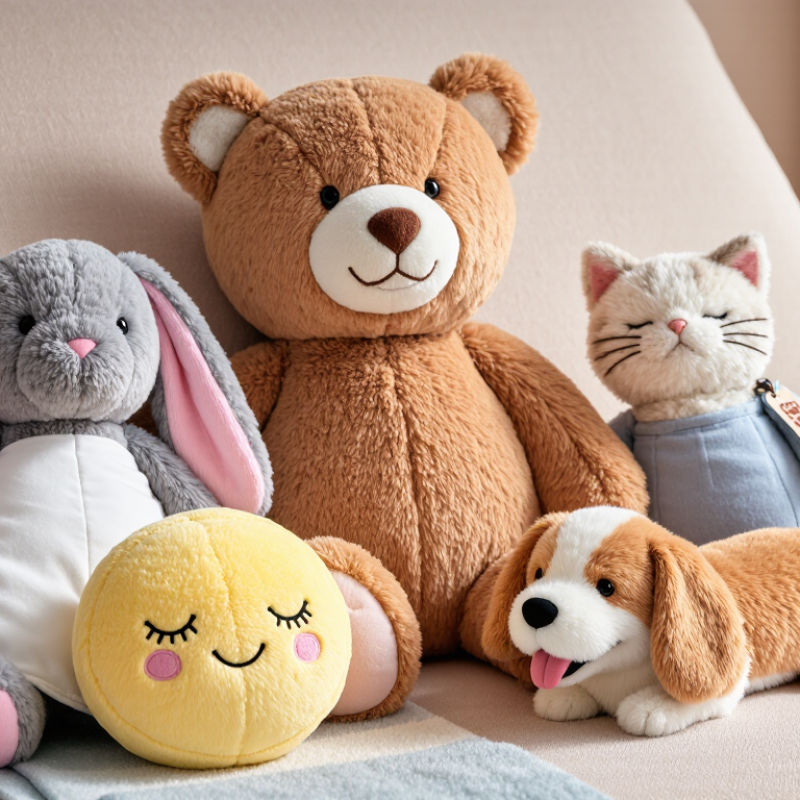
What Are the Top Comfort Companion Plushies?

What Defines a Comfort Companion Plushie?

What Defines a Comfort Companion Plushie?

A comfort companion plushie is more than a soft toy with a friendly face. It offers predictable touch, familiar weight, and emotional reassurance during bedtime, travel, or stressful moments.

Its fabric should feel gentle, while secure stitching and embroidered details can improve everyday durability. Practical design matters too.

Washable materials, manageable size, and age-appropriate construction support regular use.

Not for everyone.

A 2024 Grand View Research report estimated the global stuffed toys market at about 11.6 billion US dollars in 2023. It also projected a 7.5% compound annual growth rate through 2030. These figures show strong demand, but market reports define “plush toys” differently. That limitation deserves attention. A large market does not prove that every plushie provides comfort.

Research-informed selection focuses on the user, not only appearance. Some people prefer a small animal plushie that fits under one arm. Others choose a heavier, oversized design for calming pressure.

A 2023 Allied Market Research report also identified emotional appeal and gifting as important plush-toy purchase factors. Comfort can involve memory, texture, routine, or companionship.

Therefore, the top comfort companion plushies usually share three qualities: sensory softness, emotional familiarity, and reliable construction.

A caregiver should observe how the plushie is used, including whether loose parts, rough seams, or difficult cleaning create problems.

Cute is not enough. Sometimes the quietest design works best.

Key Features That Support Emotional Comfort

What Are the Top Comfort Companion Plushies?

Key Features That Support Emotional Comfort

A comfort companion plushie should feel calming before it feels decorative. Soft, washable fabric matters because repeated touch can create a familiar sensory routine. The American Psychological Association’s 2023 Stress in America report found that 27% of adults felt stress was so overwhelming that they struggled to function on most days or every day. A small plushie cannot solve that pressure. It can, however, offer a steady object during difficult moments.

Look for a moderate size, gentle weight, and seams that tolerate frequent handling. Embroidered facial details may feel safer than hard plastic parts, especially for children. A removable, washable cover also supports hygiene and long-term use. Research published in the Journal of Experimental Social Psychology suggests that comforting objects can provide a sense of social connection when people feel lonely. The effect is personal, not guaranteed. That limitation matters.

The best design supports choice. Some users prefer a palm-sized companion for travel. Others need a larger plushie against their chest at bedtime. The American Academy of Pediatrics advises caregivers to consider age, construction, and loose-part risks. I would also check the filling after washing. It may clump. That small flaw can change the comfort completely. Nakne?

Popular Types of Comfort Companion Plushies

What Are the Top Comfort Companion Plushies?

Popular comfort companion plushies often begin with familiar animal designs. Soft bears, rabbits, cats, and small woodland creatures can feel friendly without demanding attention. Their rounded shapes and gentle textures suit bedtime, travel, or quiet reading. In my experience, children often choose a plushie with one memorable feature, such as floppy ears or a stitched nose. Simple details matter.

Weighted plushies offer a different kind of comfort through steady pressure. They may help some people settle during stressful moments, especially when held across the lap. However, weight, size, and age guidance deserve careful attention. A heavier toy is not automatically better. It should never cover a young child’s face or restrict breathing. Sensory plushies also attract interest through ribbons, ridges, crinkles, or varied fabrics. These features can encourage calm touch and focused play.

Character-inspired plushies, pocket-sized companions, and washable bedtime animals remain popular choices. Portable designs fit easily inside a backpack. Washable fabric is practical after outdoor adventures or spilled drinks. Look for secure stitching, embroidered details, and materials suitable for regular handling. I once assumed the softest toy would be the most comforting. That was not always true. Some plushies felt lovely but lost their shape quickly. A dependable companion should feel pleasant, safe, and easy to care for. Preferences can change, too. A child may ignore a plushie for weeks, then carry it everywhere.

What Are the Top Comfort Companion Plushies?

Popular comfort companion plushies are commonly chosen for softness, emotional reassurance, sensory comfort, and portability.

The chart presents a non-branded editorial comparison of common plushie types using a 100-point comfort suitability index. Teddy bears and animal plushies score highly because they combine recognizable shapes, soft textures, and strong attachment value, while weighted and sensory plushies emphasize calming tactile experiences.

How to Choose a Plushie for Different Needs

What Are the Top Comfort Companion Plushies?

How to Choose a Plushie for Different Needs

Choosing a comfort plushie starts with the person, not the trend. For a child, check the stitching, seams, eyes, and filling. Small detachable parts can create risks for young children. A washable plushie suits messy play and frequent cuddling. Read the care label carefully. Some soft fabrics lose their shape after repeated washing.

For sleep, choose a lightweight plushie with a breathable surface. It should fit beside the child without covering the face. A smaller design may work better during travel. For sensory comfort, texture matters more than appearance. Try fleece, corduroy, smooth cotton, or short pile fabric. Avoid strong odors and rough tags. People with allergies may need dust-resistant materials and regular cleaning. No fabric suits everyone.

Adults may prefer a weighted or palm-sized plushie during stressful moments. However, weight should feel gentle, never restrictive. A washable cover can improve hygiene. I once chose a very large plushie because it looked comforting, but it was awkward to carry and difficult to clean. That mistake changed my approach. Comfort also depends on storage, handling, and daily habits. Check whether the plushie remains pleasant after weeks of use. The best choice may look ordinary. It should feel safe, familiar, and easy to keep nearby.

Care, Safety, and Long-Term Use Considerations

The best comfort companion plushies feel soft, washable, and easy to inspect. They should have secure stitching, firmly attached features, and no loose filling. Small parts deserve special attention. A torn seam can become a choking hazard or collect moisture inside.

The U.S. Consumer Product Safety Commission reported about 231,000 emergency-department-treated toy injuries among children under 15 in 2023. That figure supports regular checks, even for familiar bedtime toys. The American Academy of Pediatrics’ 2022 safe-sleep guidance recommends keeping soft objects out of an infant’s sleep space. Comfort plushies belong beside the crib, not inside it, for babies.

Wash the toy according to its care label. Use a gentle cycle when permitted, then dry it completely. Damp stuffing can develop an unpleasant odor and may support microbial growth. Check seams, embroidered eyes, fabric wear, and internal lumps every few weeks. I would also inspect after travel, because luggage can compress or damage stitching. Some toys survive years of washing; others do not. That uncertainty matters.

Avoid homemade repairs with sharp pins or poorly secured buttons. Replace heavily damaged plushies rather than preserving every sentimental object. A washable cover can extend useful life, but it cannot fix unsafe filling or broken attachments. Keep a simple inspection note for frequently used toys. It sounds excessive. It may prevent a careless oversight.

Sources: U.S. Consumer Product Safety Commission, Toy-Related Deaths and Injuries, 2023; American Academy of Pediatrics, Sleep-Related Infant Deaths: Updated 2022 Recommendations.

What Are the Top Comfort Companion Plushies? - Care, Safety, and Long-Term Use Considerations

Plushie Type Primary Comfort Feature Best Suited For Care and Cleaning Key Safety Checks Long-Term Use Considerations
Classic soft plush animal Soft texture, familiar shape, and emotional attachment Everyday reassurance, travel, bedtime routines, and imaginative play Check the care label; machine-washable items should be placed in a laundry bag or pillowcase when practical. Air-dry thoroughly. Inspect eyes, noses, seams, ribbons, and loose fibers. Remove damaged parts before continued use. Choose tightly stitched seams and colorfast fabric. Recheck regularly because frequent hugging and washing can cause flattening or tears.
Washable comfort plush Familiar comfort with easier hygiene management Children, frequent travelers, allergy-conscious households, and daily use Follow the label. Use mild detergent, avoid excessive heat unless permitted, and dry completely to reduce odor and mildew risk. Confirm that filling remains contained after washing and that no stitching has opened. Keep a backup comfort item when possible so one can be cleaned while the other is available.
Textured sensory plush Varied fabrics, raised details, or tactile surfaces that support sensory exploration People who prefer tactile stimulation, quiet fidgeting, or distinctive textures Use the recommended spot-cleaning or washing method. Check textured sections after every cleaning cycle. Avoid detachable beads, sequins, cords, or small parts for young children. Stop use if texture pieces loosen. Textures may wear or mat over time; select reinforced attachments and replace the item when loose components cannot be repaired securely.
Weighted comfort plush Gentle pressure that some users find calming Older children and adults who can independently move the item and prefer added weight Use only the stated cleaning method. Do not machine-wash or dry items unless the manufacturer specifically permits it. Not appropriate for infants or anyone unable to remove it independently. Never place it over the face or restrict breathing or movement. Inspect for leaking pellets, uneven filling, and weakened seams. Stop use if the internal material becomes accessible.
Warmable or microwavable plush Gentle warmth and, in some designs, a mild natural scent Short periods of relaxation when used by an attentive adult or older child Heat only according to the product instructions. Keep dry unless specifically designed for washing, and allow it to cool fully before storage. Use a timer, check temperature before contact, and never overheat or leave unattended. Do not use if damp, damaged, or burnt-smelling. Heating cycles can degrade fabric and filling. Retire the item if it develops hot spots, discoloration, odor, or leakage.
Cooling comfort plush A cool surface or removable insert for temporary cooling comfort Warm environments, rest periods, and users who prefer cool tactile contact Follow the insert instructions; use a clean cover when available and dry condensation-prone parts completely. Do not apply frozen inserts directly to bare skin for extended periods. Check for leaks and use only the designated insert. Repeated chilling can stress seams and materials. Store inserts separately if recommended and replace cracked or leaking components.
Sound- or light-enabled plush Music, white noise, soft lights, or recorded sounds for routine-based comfort Bedtime routines and users who respond well to predictable audio or visual cues Remove batteries or electronic modules before washing when the design allows. Clean the fabric according to the label. Keep battery compartments secured, use the correct battery type, and store button batteries away from children. Avoid loud or flashing settings. Batteries require periodic replacement, and electronic parts may fail before the fabric. Keep the user’s routine flexible rather than dependent on one device.
General care note: Always follow the item’s care and age guidance. Examine plushies regularly for loose parts, exposed filling, damaged wiring, overheating, or contamination, and discontinue use when a defect cannot be repaired securely.

FAQS

What are popular types of comfort companion plushies?

Common choices include bears, rabbits, cats, woodland animals, pocket-sized companions, and bedtime plushies. Simple designs often feel familiar.

How can weighted plushies provide comfort?

They offer steady pressure when placed across the lap. The weight should feel gentle, not restrictive. Heavier is not always better.

Are weighted plushies suitable for young children?

Check the toy’s weight, size, and age guidance carefully. Never let a plushie cover a child’s face or restrict breathing.

What features help sensory-focused comfort?

Ribbons, ridges, crinkly sections, fleece, corduroy, and smooth cotton offer varied touch. Texture may matter more than appearance.

What should I check before giving a plushie to a child?

Inspect the stitching, seams, eyes, filling, and attached details. Avoid small detachable parts. A loose piece can become a serious concern.

Which plushie works best for sleep or travel?

Choose a lightweight design with breathable fabric for sleep. A smaller plushie fits better beside a child or inside a backpack.

How important is washable fabric?

It matters after spilled drinks, outdoor play, and frequent cuddling. Read the care label because some fabrics lose shape after washing.

How should people with allergies choose a plushie?

Consider dust-resistant materials and regular cleaning. Avoid strong odors and rough tags. No fabric suits everyone.

Is the softest plushie always the most comforting?

Not necessarily. Some very soft plushies lose their shape quickly. Comfort also depends on handling, storage, and daily habits.

Can preferences change over time?

Yes. A child might ignore a plushie for weeks, then carry it everywhere. The best choice can look ordinary and still feel dependable.

Conclusion

Comfort companion plushies are soft, reassuring objects designed to provide emotional comfort, relaxation, and a sense of security. Their value often comes from features such as a gentle texture, suitable size, calming shape, washable materials, and a weight that feels easy to hold or hug. Some plushies may offer sensory details, while others are designed simply for quiet companionship during bedtime, stressful moments, travel, or periods of change.

Different people may prefer animal figures, soft pillows, pocket-sized companions, or larger huggable designs depending on their age, preferences, and daily needs. When choosing one, consider comfort, durability, ease of cleaning, and whether the materials are appropriate for the intended user. Safety is especially important for young children, so check for secure stitching, firmly attached parts, and age-appropriate construction. With regular cleaning, careful storage, and occasional inspection for wear, a well-made plushie can remain a comforting companion for a long time.

Evelyn

Evelyn

Evelyn is a dedicated marketing professional who combines strategic insight, industry knowledge, and a strong understanding of customer needs to support the company’s growth. With extensive experience in product communication and digital marketing, Evelyn has developed a deep understanding of the......