High-Precision OEM/ODM Custom Plush Solutions
Explore our certified production capabilities across licensed stuffed animals, promotional mascots, hyper-realistic plushies, and interactive soft toys.
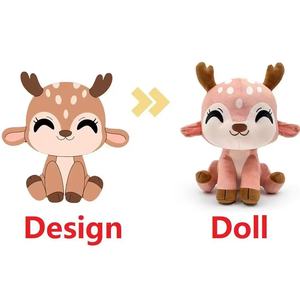
Fill: 100% 7D Virgin PP Cotton
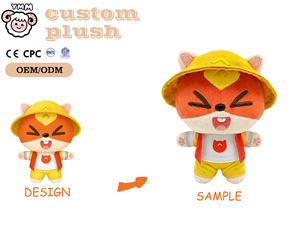
Compliance: EN71 / ASTM F963
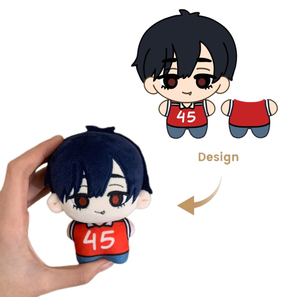
Detail: Precision Facial Stitching
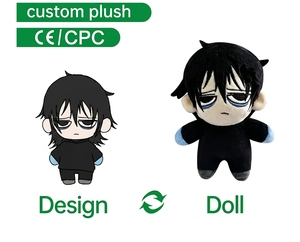
Feature: Realistic Sculpting
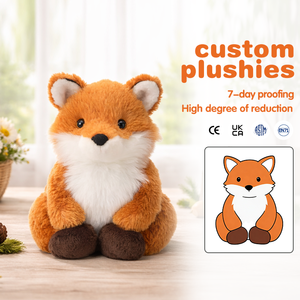
Safety: Azo-Free Dyes / CPSIA
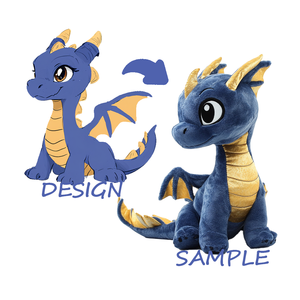
Printing: Heat Transfer / Sublimation
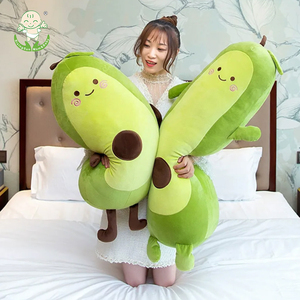
Elasticity: High Rebound Memory Fill
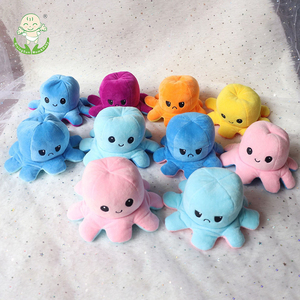
Certification: CE / ISO9001 / Sedex
The Strategic Advantage of Partnering with Top Chinese Custom Plush Factories
Analyzing textile ecosystems, specialized craftsmanship, tooling efficiency, and cost optimization for global B2B plush procurement.
In the global toy and soft-goods manufacturing landscape, selecting the right partner is a critical decision that influences brand reputation, profit margins, and regulatory compliance. China remains the undisputed global capital of plush toy manufacturing, accounting for over 70% of total worldwide supply. This dominance is not merely based on labor availability, but on an ultra-concentrated supply chain ecosystem, advanced textile synthesis engineering, and unmatched mastery of rapid pattern prototyping.
A modern custom plush factory operates far beyond basic cut-and-sew operations. Top-tier Chinese manufacturers integrate advanced CAD pattern-slicing algorithms, 12-head high-speed Tajima embroidery machines, automated pneumatic fiber stuffing systems, and double-pass metal detection lines under one roof. This vertical synthesis enables enterprise buyers to transition from 2D character renders to physical, market-ready samples in as little as 3 to 7 business days.
Comprehensive OEM vs. ODM Technical Capability Breakdown
Navigating custom plush production requires a precise understanding of the technical parameters involved in custom product realization. Below is an engineering framework comparing OEM (Original Equipment Manufacturing) and ODM (Original Design Manufacturing) workflows:
| Production Dimension | OEM (Custom Tech-Pack Build) | ODM (Factory Design & Adaptation) |
|---|---|---|
| Primary Input Required | 2D Vector Artwork, 3D Renderings, Tech-Packs | Rough Concept Sketch, Brand Guidelines, or Moodboard |
| Pattern Development | 100% Bespoke Geometric Pattern Slicing | Adaptation of Factory's Baseline Mold Library |
| Fabric Customization | Custom Pantone-Dyed Velboa, Faux Fur, RPET | Standard Stock Premium Colorways (200+ Colors) |
| Sampling Turnaround | 5 – 7 Working Days (Multi-Iterative) | 3 – 5 Working Days |
| Minimum Order Quantity (MOQ) | 500 – 1,000 Units per Design | 200 – 500 Units per Design |
| Target Buyer Profile | IP Holders, Global Brands, Retail Chain Stores | E-commerce Sellers, Corporate Gift Promoters |
Textile Selection, Fill Dynamics & Craftsmanship
Understanding tactile ergonomics, safety certifications, and structural integrity in custom soft toy fabrication.
Premium Fabrics & Tactility
Selection ranges from Crystal Super Soft (high filament density, silky touch), Short-Pile Velboa (durable, ideal for detailed embroidery), to eco-conscious RPET (Recycled Polyester) derived from post-consumer plastic bottles. Grammages vary from 220 GSM to 450 GSM depending on tactile requirements.
Stuffing Matrix & Density
We utilize 100% 7D Virgin Polyester PP Cotton, high-rebound polyurethane memory foam, plastic micro-pellets (for weight distribution and self-standing capabilities), or slow-recovery down-cotton. Fill density is calibrated down to the gram to guarantee structural resilience after vacuum packaging.
Embellishment & Surface Art
Facial details and brand logos are rendered using ultra-precise computerized embroidery (up to 12-color thread layers), heat-transfer thermal sublimation (for complex gradients), or screen printing with non-toxic, lead-free water-based inks that exceed international safety standards.
International Safety Frameworks & Testing Protocols
Ensuring compliance across North American, European, and Asia-Pacific toy safety standards.
Safety is paramount in plush manufacturing. A leading custom plush manufacturer implements multi-stage quality control mechanisms starting at raw material inbound processing (IQC) through in-line assembly (IPQC) and final pre-shipment inspection (FQC) based on ANSI/ASQ Z1.4 (AQL 1.5/4.0) criteria.
ASTM F963 & CPSIA (USA)
Rigorous heavy element testing, total lead content checks, phthalates restriction, flammability testing, and small parts torque/tension testing for ages 0+.
EN71 Parts 1, 2, 3 (Europe)
Mechanical & physical properties assessment, flame spread rate containment, and migration of 19 toxic elements verification for CE and UKCA mark authorization.
Dual Needle Detection
100% of finished plush items pass through high-sensitivity electromagnetic metal detectors (1.0mm Fe sensitivity) to eliminate broken needle hazards.
Seam Tensile Strength & Pull-Test Protocol
To prevent seam rupture and potential exposure of internal filling, all plush seams undergo a minimum 21-pound (90 Newton) pull force test sustained for 10 seconds. Plastic eyes, noses, and attached accessories undergo identical mechanical pull tests to mitigate choking hazards for infants.
Future Trends in Global Plush Toy Manufacturing
Navigating sustainable textiles, smart plush integration, and rapid-turnaround IP licensing demands.
1. Circular Economy & GRS Certified RPET
ESG compliance is shifting from an option to a mandatory buying criterion. Procurement teams are moving toward Global Recycled Standard (GRS) certified fabrics made from post-consumer PET bottles, coupled with biodegradable natural cotton fillings and plastic-free paper packaging.
2. Smart & Haptic Interactive Plush
The integration of IoT modules, voice-recording chips, tactile pressure sensors, and Bluetooth sound engines is driving plush evolution. Modern facilities now feature cleanroom electronics assembly lines to embed tech components safely inside soft toys.
3. Micro-Batch & On-Demand IP Merchandising
With anime, gaming, and creator-economy merchandise requiring agile production runs, leading Chinese factories are adapting lines for low-MOQ (200–500 pcs) rapid replenishment, reducing inventory risk for global intellectual property holders.
The 7-Stage Custom Plush Production Workflow
From initial 2D vector CAD slicing to final vacuum packaging and international logistics shipping.
2D Tech-Pack Slicing & 3D Pattern Engineering
Industrial designers convert client artwork into precise flat pattern pieces using computer-aided pattern slicing software to capture proportions accurately.
Physical Prototype Master Approval
A physical golden sample is created, reviewed, and adjusted for embroidery alignment, pile direction, and softness before full-scale production clearance.
Precision Laser Fabric Cutting
Automated laser-cutting beds slice fabric rolls into thousands of identical panels with sealed edges, preventing fraying and maintaining dimensional accuracy within ±0.5mm.
High-Speed Embroidery & Printing Application
Facial features, paw pads, and branded logos are embroidered onto cut fabric panels prior to stitching to guarantee tight thread registration.
Sewing Assembly & Pneumatic Stuffing
Skilled sewing technicians assemble shell components using double-lock stitching. Automated blowers inject 7D PP cotton into the shells to achieve uniform density.
Manual Finishing, Seam Closure & Metal Scanning
Stuffing openings are closed via hand ladder-stitch or blind stitch machine. Every unit then undergoes 100% needle detection scanning.
Vacuum Compression & Export Packing
Finished goods are polybagged, vacuum compressed to reduce freight volume by up to 60%, and packed into 5-ply corrugated export cartons.
Frequently Asked Questions for Custom Plush Sourcing
Clear answers to key questions regarding MOQs, intellectual property, lead times, and testing.
What is the typical Minimum Order Quantity (MOQ) for custom plush manufacturing?
Standard OEM MOQ typically starts at 500 to 1,000 pieces per design, depending on size and fabric customization. For smaller promotional campaigns or preliminary market tests, ODM designs using stock fabric colorways can be produced with MOQs as low as 200 to 300 pieces.
How long does the prototyping and sample creation process take?
Initial 3D pattern development and physical sample sewing generally require 3 to 7 working days upon receipt of 2D artwork or reference pictures. Once shipped via express courier (DHL/FedEx), physical samples arrive globally within 3 to 5 business days for client approval.
How do Chinese plush factories safeguard IP (Intellectual Property) for original designs?
Reputable tier-1 manufacturers sign legally binding Non-Disclosure Agreements (NDAs) prior to artwork submission. Design patterns, CAD cut files, and custom molds are kept in isolated client archives and are never resold or shared on public trading platforms.
Can your factory manufacture plush items certified for newborn infants (Age 0+)?
Yes. Infant-safe production utilizes embroidered eyes instead of hard plastic components, reinforced seam stitching (>90N pull resistance), OEKO-TEX Standard 100 Class 1 certified fabrics, and hypoallergenic 100% virgin PP cotton fills free of fluorescent agents.
How does vacuum compression affect plush recovery upon unpacking?
Factory stuffing lines use high-resilience 7D virgin fiber fill designed specifically for vacuum packing. Once unpacked and lightly shaken, the plush naturally expands back to its original shape and volume within 24 to 48 hours without wrinkling or seam distortion.
Ready to Bring Your Custom Plush Design to Life?
Partner with China's leading OEM/ODM custom plush factory. Contact our engineering team for instant technical consultation, tech-pack evaluation, and competitive wholesale quote pricing.