Featured OEM Plush Merchandise Portfolio
Direct factory custom plush manufacturing capabilities ranging from high-detail IP mascots to reversible mood toys and luxury stuffed animals.
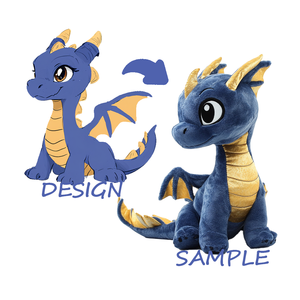
OEM Custom PP Cotton Dinosaur Plush Doll
Precision-stitched cartoon dinosaur engineered with hypoallergenic virgin PP cotton fill and reinforced multi-color computer embroidery.
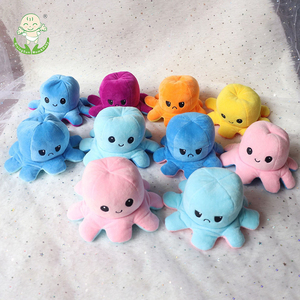
Reversible Mood-Flip Octopus Plush Toy
Dual-expression mood plush crafted from ultra-soft crystal velour with seamless internal turn-stitch engineering for consumer retail.
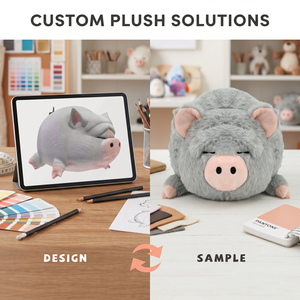
Personalized Character Plush Prototyping
Turn 2D vector concepts or hand-drawn sketches into 3D plush reality with complete tech-pack development and bespoke pattern crafting.
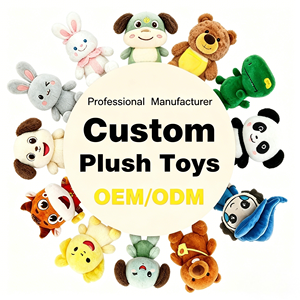
Miniature Soft Bear & Animal Collectibles
Compact mini plush collectibles built for keychain attachments or blind box series, featuring high-density embroidery details.
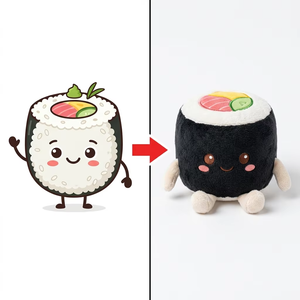
Bespoke Food-Character Plush Merchandise
Dual-tone plush seafood & food mascot designs constructed with specialized texture fabrics, contrast stitching, and custom branding tags.
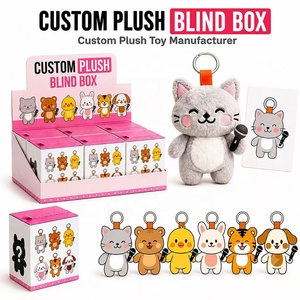
IP & Celebrity Blind Box Plush Keychains
Designed for IP licensing, gaming merch, and influencer retail lines. Features custom keyrings, custom woven labels, and retail box solutions.
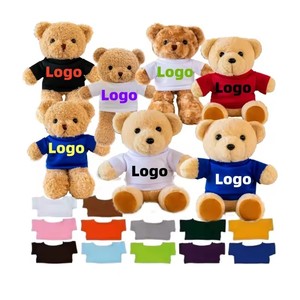
Promotional Apparel Teddy Bear Series
Classic plush teddy bear featuring removable screen-printed or embroidered mini T-shirts, optimized for corporate gifts and promo campaigns.
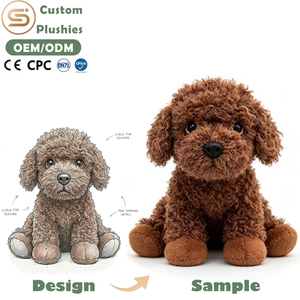
Realistic & Stylized Puppy Plushies
Hyper-soft textured fleece Labradoodle and puppy plush figure toys with anti-clump fill engineering and child-safe lock-washer eyes.
The Vertically Integrated OEM Factory Advantage
Why Tier-1 brands, gaming studios, and global toy importers transition from traditional brokers to direct manufacturing facilities.
In-House 2D to 3D Pattern Engineering
Our specialized pattern masters transform basic Illustrator sketches or 3D renders into precise textile cutting dies. By maintaining total digital control over seam curvature, pile direction, and fill volume, we guarantee prototyped samples match your artistic vision down to the millimeter.
Multi-Head High-Density Embroidery
Outfitted with advanced 12-head industrial embroidery machinery, our factory executes intricate facial expressions, corporate logos, and complex textile graphics. We maintain strict control over stitch density and thread tension to prevent puckering on soft velour fabrics.
Automated Stuffing & Metal Detection
Equipped with pneumatic fiber-fluffing machinery, we ensure even distribution of virgin PP cotton or recycled rPET fiber. Every unit undergoes dual-pass needle detection (1.0mm ferrous calibration) and pull-testing on stitched appendants to satisfy global child safety legislation.
Sourcing Matrix: Direct OEM Factory vs. Trading Intermediaries
A transparent evaluation of operational parameters, cost control, and quality assurance workflows in plush production.
| Production Factor | Direct Vertically Integrated OEM Factory | Trading Intermediaries & Sourcing Agents |
|---|---|---|
| Pattern Control & Prototyping | ✓ Direct in-house pattern masters (3–5 day sample turnaround) | Outsourced to third-party workshops (14–21 day turnaround) |
| Material Traceability | ✓ Direct mill sourcing; GRS, OEKO-TEX, & REACH certified | Variable batch sourcing without mill-level traceability |
| Quality Control Protocol | ✓ 5-Stage In-line inspection + 100% metal detection | Random AQL spot-checks post-production |
| Cost Efficiency | ✓ Factory-direct margins; 15–30% lower unit costs | Marked-up commission layers (15–40% added margin) |
| IP Protection | ✓ Binding NDA, cleanroom asset handling, full IP security | Risk of design leaks across fragmented sub-contractors |
Global Sourcing & OEM Manufacturing Trends (2025–2030)
Key technological, material, and logistical shifts redefining the commercial plush merchandise landscape.
1. Sustainable Circularity: The Shift to rPET & Biodegradable Fibers
Global retail mandates in North America and the EU are compelling brands to move away from virgin polyester plush. Leading OEM custom plush merchandise factories are establishing certified supply chains for rPET (recycled Polyethylene Terephthalate) derived from ocean-bound plastics and post-consumer beverage bottles. Modern eco-plush manufacturing requires specialized fiber finishing to match the ultra-soft hand-feel of legacy fabrics like Minky or Boa, while maintaining strict compliance with the Global Recycled Standard (GRS). Furthermore, innovations in PLA (Polylactic Acid) corn-starch fill and organic cotton shells are establishing new benchmarks for zero-landfill promotional campaigns.
2. IP-Driven Collectibles & The Blind Box Phenomenon
The rapid expansion of gaming IP, character anime franchises, and designer art toys has transformed soft merchandise from basic plush dolls into high-margin collectible assets. OEM factories must now execute micro-scale manufacturing precision. This includes managing complex multi-material builds—integrating plush textile bodies with molded PVC faces, embroidered vinyl accents, and metallic key-ring hardware. Factory workflows have evolved to support secret-chase blind box packaging, anti-counterfeit holographic labeling, and batch serialization directly at the assembly line level.
3. Geographical Supply Chain Diversification (The India Manufacturing Hub)
Enterprise procurement directors are increasingly adopting a "China + 1" sourcing architecture to insulate global supply chains against trade volatility, regional power restrictions, and tariff spikes. India—specifically industrial corridors like Hosur in Tamil Nadu—has emerged as a powerhouse for textile and soft toy OEM contract manufacturing. Combining integrated domestic cotton supply chains, advanced embroidery infrastructure, and competitive labor costs, modern Indian plush factories offer Tier-1 buyers exceptional operational stability, preferential trade agreements, and direct sea access via South Indian ports.
4. Sensory & Haptic Comfort Engineering
Beyond aesthetic appeal, consumer demand is rapidly gravitating toward tactile wellness, stress-relief, and sensory plush merchandise. OEM production lines are adapting to include weighted micro-glass bead distribution, thermo-regulated interior gel packs, and tactile-sensory exterior fabrics (textured corduroy, ribbed waffle knits, and faux fur). Manufacturing these specialized items demands reinforced double-stitched interior containment pouches to prevent leakage and guarantee compliance with rigorous drop-test standard EN71-1.
Technical Quality Assurance & Compliance Standards
Ensuring absolute product safety and legal compliance across major international import territories.
International Safety Testing Protocols
A reputable plush factory builds testing parameters into the pre-production sample stage. All materials must meet standard regulatory thresholds:
- ASTM F963-17 / CPSIA (USA): Flammability, heavy elements analysis, phthalate content, small parts torque/tension.
- EN71 Parts 1, 2, 3 (European Union): Mechanical physical safety, flammability rating, chemical migration of 19 toxic elements.
- ISO 8124 (Global Standard): Sharp edges, points, and structural integrity under high-impact tension testing.
In-Line Production Quality Control
Quality assurance is not a final step; it is an active manufacturing process executed throughout production:
- Incoming Fabric Inspection: GSM weight verification, color-fastness testing, and pile length consistency checks.
- Seam Tensile Testing: Pull-testing seams at 70N (Newtons) force to eliminate rupture risks during consumer use.
- 100% Dual-Pass Needle Detection: Transporting every completed plush across magnetic sensors to catch broken sewing needles.
Custom Plush Sourcing & OEM Manufacturing FAQ
Technical guidance for product managers, procurement officers, and IP holders.
What is the typical Minimum Order Quantity (MOQ) for custom OEM plush manufacturing?
Standard custom OEM plush production runs typically start at 500 to 1,000 units per design/colorway. This threshold allows for efficient mill fabric dyeing, custom embroidery setup, and automated cutting layouts. For smaller promotional campaigns or test runs, specialized batch lines can accommodate lower volumes upon technical review.
How long does the prototyping and mass production process take?
The standard timeline includes 3 to 7 working days for 3D pattern development and sample physical prototyping. Once the physical pre-production sample receives client sign-off, mass manufacturing generally requires approximately 45 to 60 days, depending on material complexity, embroidery density, and seasonal factory volume.
What artwork files or inputs are required to begin the sampling phase?
Our engineering team can work directly from 2D vector graphic files (AI, EPS, PDF) showing front, back, and side turnarounds with pantone color callouts. However, our design desk can also draft complete manufacturing tech-packs directly from hand-drawn concept sketches or reference photography.
How do OEM factories safeguard intellectual property (IP) and proprietary designs?
Intellectual property protection is enforced via non-disclosure agreements (NDAs) prior to artwork transfer. Reputable direct factories maintain strict cleanroom asset handling, ensuring pattern digital files, cutting dies, and excess inventory are never shared, resold, or exposed to third-party marketplaces.
What stuffing materials are available, and how do they impact unit pricing?
The industry standard fill is 100% 3D/7D Virgin Conjugated Hollow Polyester (PP cotton), offering optimal resiliency and softness at cost-effective price points. Premium options include Global Recycled Standard (GRS) certified rPET fill, memory foam crumbs, micro-bead pellets, and weighted glass beads for sensory products.
Can the factory supply retail-ready custom packaging and labeling?
Yes. Full private-label packaging support includes woven fabric seam tags, custom-printed paper hangtags with barcode serialization, eco-friendly polybags, display dump bins, and custom-printed rigid blind box retail packaging.
What safety certifications are provided for export into the US and European markets?
Factory production lines comply with EN71 (Parts 1, 2, 3), ASTM F963, CPSIA, REACH, and CE standards. Pre-production batch testing reports from accredited third-party laboratories (such as SGS, Intertek, or TÜV Rheinland) are coordinated during the production cycle.
What are the key cost drivers when estimating custom plush production?
Primary cost variables include overall plush standing height (cm/inches), external fabric type (short pile velour vs. long pile faux fur), embroidery stitch count vs. digital sublimation printing, structural joint complexities, fill density, and shipping volume optimization.
Ready to Develop Your Custom OEM Plush Line?
Partner with a vertically integrated plush manufacturing facility. Request technical sampling, request a factory quote, or schedule a design review today.