Strategic Procurement & Global Sourcing Trends in Plush Pillow Manufacturing (2025–2030)
The global plush market is undergoing a structural transformation. Brand owners, IP licensors, retail chains, and e-commerce enterprises are shifting from transactional purchasing toward direct OEM/ODM integration with contract factories. Sourcing custom plush pillows is no longer simply about fabric sewing; it requires rigorous textile selection, chemical safety compliance, structural design fidelity, and supply chain transparency.
In response to fluctuating international freight costs, strict environmental regulations (such as REACH and California Proposition 65), and shifting consumer preferences, leading buyers prioritize manufacturers offering complete vertically integrated facilities. Contract factories that maintain in-house control over cutting, stitching, high-density embroidery, automated stuffing, and multi-stage metal detection provide a significant risk-reduction advantage.
Key Sourcing Shift Drivers
Understanding these macro dynamics is essential for corporate procurement officers evaluating potential custom plush pillow factories:
Sustainable Textile Shift
Rising adoption of GRS (Global Recycled Standard) certified rPET plush velvet, organic cotton shells, and bio-based PLA stuffing materials to meet strict Corporate Sustainability Reporting Directives (CSRD).
Safety Compliance & Traceability
Enforcement of non-toxic dye standards (OEKO-TEX Standard 100), heavy-metal free plastic accents, double-lock safety stitching, and 100% inline needle detection checks.
Tech-Pack & Rapid Prototyping
Shortened product development cycles driven by 3D CAD modeling, automated fabric pattern digitizing, and sample delivery within 7 to 10 working days.
Technical Engineering & Manufacturing Technology in Custom Plush Pillow Production
Achieving ergonomic support, tactile softness, and long-term structural resilience in custom plush pillows requires precise engineering choices. Unlike traditional plush toys, plush pillows function both as decorative merchandise and functional comfort items, requiring precise control over density, recovery rate, and seam burst resistance.
1. Fabric Selection & Tactile Specifications
The outer shell material determines tactile appeal, durability, and print/embroidery sharpness. Primary industrial textiles include:
- Crystal Super Soft Velvet (100% Polyester): Ultra-short pile height (1.5mm–3mm), offering high seam strength, minimal shedding, and excellent surface clarity for detailed embroidery.
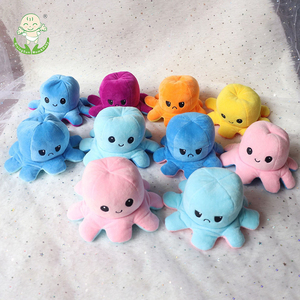
- Four-Way Stretch Spandex Plush: Blended polyester/elastane fabric providing dynamic elasticity, commonly used in ergonomic throw pillows, squishy plushies, and contour neck rolls.
- PV Fleece / Minky Fabric: High-pile height (5mm–12mm) creating a deep plush texture ideal for novelty animal pillows and premium home décor collections.
2. Interior Fill Materials & Density Control
The interior matrix defines the pillow’s loft, firmness, and longevity. Modern OEM facilities utilize precise automated blow-filling machines to inject measured weights of internal fibers:
| Fill Type |
Fiber Denier / Specs |
Performance Characteristics |
Target Application |
| 3D/7D Conjugated Virgin PP Cotton |
7D x 64mm Hollow Siliconized |
High resilience, anti-clumping, excellent air retention, lightweight loft. |
Standard decorative plush pillows, novelty body pillows. |
| Recycled Polyester Fiber (rPET) |
Post-consumer recycled PET bottles |
GRS certified, medium-high resilience, eco-conscious profile. |
Sustainable retail collections, corporate promo pillows. |
| Micro-bead Polyurethane / Memory Foam Shreds |
0.5mm - 0.8mm EPS / Molded Shreds |
Conforming ergonomic support, fluid movement, high density weight. |
Travel neck pillows, therapeutic body cushions. |
3. Precision Embroidery & Pattern Assembly
Structural integrity depends heavily on stitching techniques. Professional plush pillow factories deploy automated multi-head embroidery machines (up to 12 colors) with digital thread tension management to prevent fabric puckering. Panel joining uses high-tensile polyester threads with a minimum stitch density of 8 to 10 stitches per inch (SPI). Stress points—such as corners, handles, or projecting elements—undergo reinforced bar-tack sewing.
Factory Direct Manufacturing Partner
The Vertically Integrated Advantage: Hosur Production Hub
For international buyers navigating custom soft toy and plush pillow contract manufacturing, operational control is the primary differentiator. Manufacturing under fragmented supply chains—where fabric cutting occurs at one site, embroidery is outsourced to another, and hand-stuffing happens offsite—introduces quality variance, lead time delays, and IP exposure risk.
KID IN U Private Limited — Integrated Production Capabilities
Operating from a modern manufacturing facility in Hosur, Tamil Nadu, India (with registered headquarters in Kanchipuram), KID IN U Private Limited offers a fully consolidated contract manufacturing solution for OEM and private-label global brands.
100% In-House Operations
Fabric inspection, laser cutting, sewing panel assembly, 12-head embroidery, automated blow-stuffing, hand-sewing closure, and final QC take place under one roof.
95%+ First-Pass QC Yield
Rigorous inline quality gates at pattern cutting, post-embroidery inspection, metal detection scanning, and final carton packing ensure exceptionally low defect rates.
Reliable Lead Time Framework
Streamlined production pathways allow standard OEM bulk production runs to complete in approximately 60 days from final counter-sample approval.
Procurement & Factory FAQ
Key operational and technical questions addressed for B2B buyers, procurement managers, and brand developers.
What is the typical minimum order quantity (MOQ) for custom OEM plush pillow production?
Standard factory MOQs typically range from 300 to 500 units per style or colorway, depending on custom fabric dyeing requirements, custom embroidery complexity, and specific pillow dimensions. Smaller prototyping runs are available during the initial design phase.
What international safety standards do your plush pillows comply with?
All OEM plush items are engineered to comply with major international toy safety and textile regulations, including EN71 (Parts 1, 2, 3 for Europe), ASTM F963 (United States), ISO 8124, and REACH chemical standards. Mechanical pull-tests are conducted on all attached components (eyes, tags, zippers).
What files or tech-packs are required to start a custom prototype?
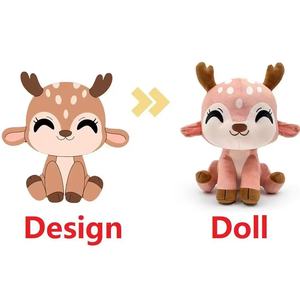
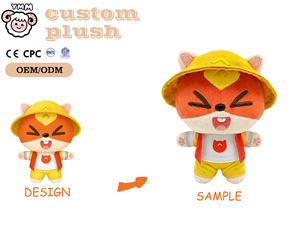
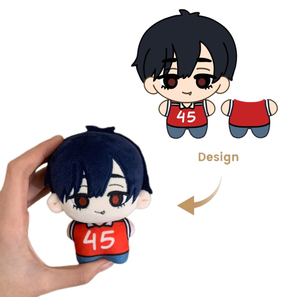
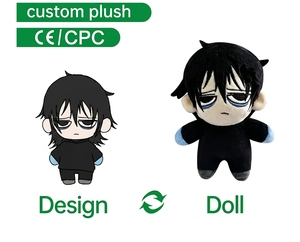
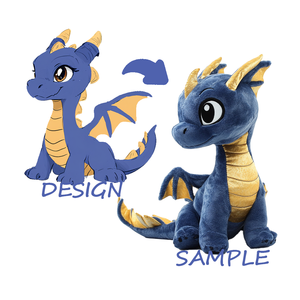
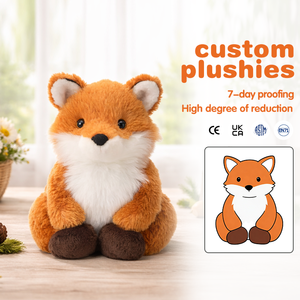
To begin sampling, client teams can provide 2D vector graphic artwork (AI, PDF, or EPS), 3D concept renders, or physical reference samples. Providing detailed tech-packs specifying Pantone color references, desired pile height, pillow dimensions, and embroidery placement accelerates prototype turnaround.
How do factories prevent metal or broken needle contamination in stuffed pillows?
Leading factories mandate a closed-loop needle policy. Every broken needle piece must be accounted for before a replacement is issued. Additionally, 100% of finished plush pillows pass through high-sensitivity conveyor metal detectors prior to final polybag packing.
Can custom branding, woven labels, and retail packaging be integrated?
Yes. Contract manufacturing includes complete private-label customization: woven seam labels, printed hangtags, custom embroidered logos, barcodes, FSC-certified header cards, and retail display boxes or compressed vacuum packaging for freight optimization.
How does vacuum compression affect plush pillow recovery and density?
To optimize sea and air freight shipping volumes, plush pillows are often vacuum-sealed. Factories use premium 3D/7D siliconized virgin fibers or high-resilience memory foams that fully recover their original shape and loft within 24 to 48 hours after unpacking without fiber clumping.
Bring Your Custom Plush Pillow Concepts to Life
Partner with an integrated manufacturing facility offering custom engineering, rapid prototyping, and compliant scale production.