Strategic Sourcing Architecture for Enterprise Baby Plush Buyers
Navigating the global plush toy manufacturing landscape requires rigorous compliance, raw material safety verification, and transparent supply chain operations. As infant safety directives escalate across North America, the European Union, and Asia-Pacific markets, procurement directors must evaluate manufacturers not merely by FOB pricing, but by mechanical integrity, non-toxic material compliance, stitch tensile durability, and ethical labor certifications.
This authoritative guide provides enterprise buyers, brand owners, and retail importers with deep technical benchmarks for selecting top-tier plush toy manufacturers. Below, explore engineered OEM/ODM product solutions, comparative market data, compliance frameworks, and production insights powered by vertically integrated manufacturing capabilities.
Featured OEM/ODM Baby Plush Catalog
Precision-engineered plush toys manufactured under ISO-compliant processes, fully customizable with client branding, high-density embroidery, and hypoallergenic filling.
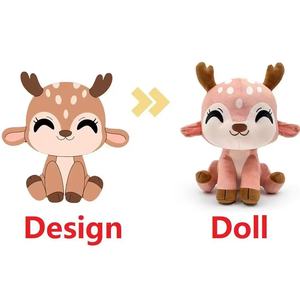
Custom Logo Animal Plush Series
- Material: Super Soft Velboa / PP Cotton
- Safety: EN71-1,2,3 / ASTM F963
- Customization: 12-Head Precision Embroidery
- Target Use: Retail & Private Label Branding
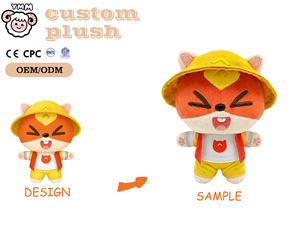
10cm OEM Fox Plush Mascot
- Size: 10cm Compact Desktop / Keyring
- Technique: Computerized Panel Pattern Stitching
- Features: Non-shedding Micro-fleece
- MOQ: 500 pcs per Batch
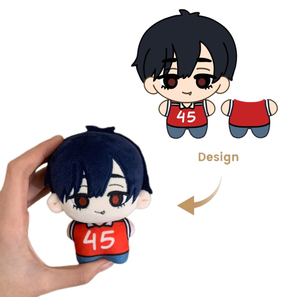
Embroidered Sea Star & Character Plush
- Range: 5cm / 10cm / 15cm / 20cm
- Detailing: High-density Thread Facial Detail
- Filling: Virgin 100% Polyester Fiber
- Testing: 90N Seam Tensile Strength
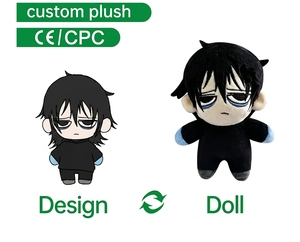
Lifelike Simulation Companion Plush
- Texture: Ultra-Realistic Faux Fur
- Structure: Internal Soft Fiber Architecture
- Auditing: Metal Detector 0.8mm Verified
- Certifications: OEKO-TEX Standard 100
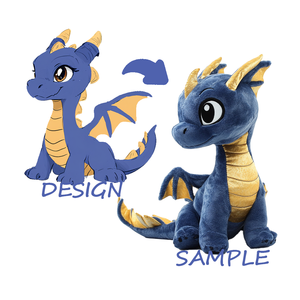
Customizable Dinosaur Plush Nursery Toy
- Fabric: Hypoallergenic Crystal Super-Soft
- Stitching: Reinforced Double-Seam Edge
- Features: Zero Small Parts (Infant Safe)
- Export Term: FOB / CIF / DDP Available
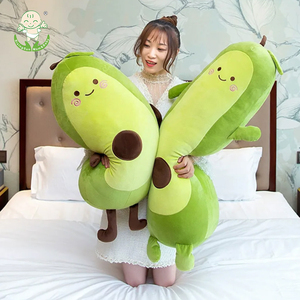
Avocado Comfort Plush Pillow
- Function: Decorative Pillow & Comfort Plush
- Fill: Memory-bounce PP Cotton Blend
- Colors: Color-fast Non-toxic Dyes
- Lead Time: 45-60 Days Bulk Production
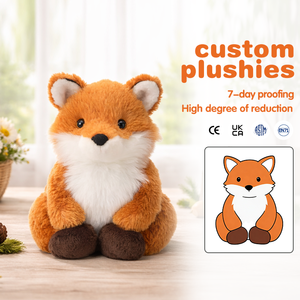
Custom Fox Peluche Brand Edition
- Development: Tech-Pack to 3D Sample (7 Days)
- Labeling: Custom Woven Brand Tags & Packaging
- Standards: CPSIA / EN ISO 8124 Compliant
- Application: Corporate Gifts & Retail Lines
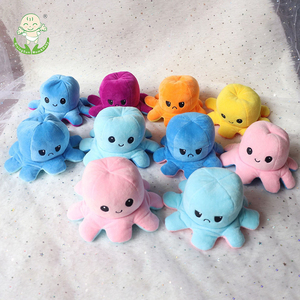
Reversible Mood Octopus Plush
- Design: Dual-Sided Invertible Construction
- Dye Safety: Azo-free Heavy-Metal Free Dyes
- Popularity: High Viral Consumer Intent
- Inspection: 100% In-Line & Final QC
Evaluating Top 10 Global Plush Toy Exporters
A comparative analysis of key global plush manufacturing hubs based on tariff optimization, compliance standards, engineering capabilities, and supply chain control.
| Manufacturing Hub / Region | Primary Advantages | Key Compliance Standards | Labor & Supply Chain Risk | Best Suited For |
|---|---|---|---|---|
| India (e.g., Hosur Hub - KID IN U) | Vertical integration, zero-tariff benefits in select markets, skilled labor, 100% in-house QC | EN71 1-3, ASTM F963, ISO 9001, GOTS Organic | Low Risk / Stable labor environment | Premium OEM, Private Label, Global Importers |
| China (Jiangsu / Guangdong) | Massive raw material ecosystem, high automation rate | CCC, GB 6675, EN71, ASTM F963 | Moderate Risk / Shifting tariff dynamics | High-Volume Promotional & Mass Market Toys |
| Vietnam & Southeast Asia | Competitive labor rates, expanding export corridors | EN71, ASTM, ISO 9001 | Moderate Risk / Dependent on raw material imports | Medium to Large Retail Chains |
| Eastern Europe (Poland / Romania) | Proximity to West European retail markets, rapid road transit | CE Marking, EU Toy Directive 2009/48/EC | Higher Production Cost Structure | Short Lead Time European Luxury Lines |
Future Procurement & Plush Manufacturing Trends (2025–2030)
Key market shifts impacting raw material specification, factory auditing, and infant sensory plush design globally.
Sustainable & Circular Plush Fibers
Global retail conglomerates are mandating shifts toward GRS-certified recycled polyester (rPET) made from post-consumer plastic bottles. Furthermore, organic cotton velour and biodegradable PLA (Polylactic Acid) plant-based fillings are replacing standard virgin polyfills in premium baby product lines.
Ultrasonic Welding vs. Heavy Embroidery
To meet zero-choking safety guidelines for infants under 36 months, manufacturers are prioritizing 100% embroidered facial features over plastic safety eyes. Next-generation factories utilize 12-head computerized embroidery machines combined with ultrasonic edge welding to eliminate loose threads completely.
Strict Chemical & Heavy Metal Regulations
Enforcement of chemical migration limits under EN 71-3 (2019+A1:2021) and US CPSIA rules has made supplier fabric testing critical. Importers are requiring certified testing for phthalates, organotin compounds, and flame retardants at the raw material lot stage before cutting begins.
End-to-End Plush Manufacturing Technical Architecture
A look inside an advanced vertically integrated soft toy factory: from paper pattern digitization to final metal detection.
Stage 1: Digitized CAD Tech-Packs & Prototyping
Modern plush engineering begins with converting client artwork into 3D CAD pattern cuts. This minimizes fabric wastage and ensures uniform proportions across bulk production.
- Pattern paper plotting with exact seam allowance calculation (5mm-8mm).
- Physical sample prototyping created within 5-7 working days.
- Fabric stretch coefficient testing for dimensional accuracy after stuffing.
Stage 2: Precision Cutting & 12-Head Embroidery
Fabric panels are cut using computerized laser or die-cutting equipment to maintain 0.1mm margin precision, followed by high-density facial embroidery.
- 12-head automated embroidery machines for rapid multi-color stitch execution.
- Non-woven stabilizer backing applied to prevent fabric distortion.
- Strict thread tension monitoring to prevent stitch unraveling during wash cycles.
Stage 3: Automated Stuffing & Tension Stitching
Machine-assisted pneumatic fiber injection provides consistent density without clumping, while heavy-duty lockstitching seals outer seamlines.
- 100% Virgin hollow conjugated siliconized polyester fiber fill.
- Seam strength engineered to withstand >90 Newtons pull force per ASTM standards.
- Manual hand-finishing for blind-stitch closures and cosmetic inspections.
Stage 4: Dual Metal Detection & Export Packaging
Safety is paramount for infant toys. Finished toys undergo two separate metal detection scans to guarantee zero broken needle fragment contamination.
- Conveyor-type high-sensitivity metal detectors calibrated to 0.8mm FE spheres.
- Individual polybag sealing with required suffocation warning printings.
- Master carton drop-test verification (ISTA 1A standard) for ocean/air freight.
Why Global Brands Partner With KID IN U
Combining vertically integrated manufacturing in Hosur, Tamil Nadu with strict European & American quality assurance frameworks.
100% In-House Operations
Unlike agents or trading firms that sub-contract work, KID IN U controls cutting, sewing, embroidery, stuffing, and inspection under a single roof in Hosur. This eliminates quality variability and intellectual property leaks.
95%+ First-Pass Quality Rate
Through rigorous statistical process control (SPC) and dedicated line-level auditors, our factory maintains an industry-leading first-pass yield rate, drastically reducing order rework and shipping delays.
Predictable 60-Day Lead Time
Transparent milestone tracking ensures your seasonal retail windows (Q4 holiday rushes or nursery launch dates) are met with reliable container shipments and full export compliance documentation.
Frequently Asked Questions for Plush Toy Procurement
Essential technical, compliance, and logistics answers for professional plush importers and procurement managers.
Q1. What safety testing standards apply to custom baby plush exports?
Baby plush toys destined for the USA must comply with ASTM F963-17 and CPSIA (lead and phthalates limits). For Europe, compliance with EN 71 Parts 1 (Mechanical/Physical), 2 (Flammability), and 3 (Chemical Migration) is mandatory, along with CE / UKCA marking validation.
Q2. What is the standard minimum order quantity (MOQ) for custom OEM production?
Typical factory MOQs start at 300 to 500 units per design depending on custom fabric dyeing requirements. Standard catalog items with stock fabric colors can accommodate smaller trial batches for brand validation.
Q3. How do factories ensure small components (eyes, noses) do not pose choking hazards?
For infant toys (under 36 months), 100% embroidered facial details are strongly recommended. If plastic eyes or buttons are used, they undergo a mandatory 90-Newton tension pull test for 10 seconds to guarantee they cannot detach under stress.
Q4. What details are required to generate an accurate OEM custom quotation?
To provide a precise FOB or DDP quote, buyers should submit: 1) Character artwork or 3D turnarounds, 2) Desired finished height/dimensions, 3) Specific fabric type preference (e.g., crystal super-soft velour vs. long-pile faux fur), 4) Target order quantity, and 5) Packaging specifications.
Q5. How long does the custom prototype sample phase take?
Once artwork and tech-packs are approved, physical prototype creation takes approximately 5 to 7 working days. Revised iterations take an additional 3-5 days. Bulk production commences immediately after physical sample golden-seal sign-off.
Q6. How is Intellectual Property (IP) protected during custom manufacturing?
Reputable manufacturers execute formal Non-Disclosure Agreements (NDAs) before receiving CAD designs or character art. In-house manufacturing guarantees that proprietary molds, patterns, and designs are never subcontracted or sold to third parties.
Q7. What is needle detection and why is it mandatory for plush importers?
During sewing, sewing machine needles can break and become embedded in stuffed fiber fill. Dual-pass industrial needle detectors utilize electromagnetic induction to spot and isolate metal fragments down to 0.8mm, protecting end consumers from injury.
Q8. Can eco-friendly or recycled materials be certified for retail claims?
Yes. When using GRS (Global Recycled Standard) certified polyester fabric or filling, factories provide Transaction Certificates (TCs) that verify the supply chain chain-of-custody, allowing brands to make legitimate eco-friendly retail claims.
Ready to Scale Your Plush Product Line?
Partner with a vertically integrated OEM plush manufacturer. Request a custom prototype, tech-pack review, or factory line availability today.