High-Demand Machine Stuffed Plush Products
Direct from our vertically integrated manufacturing facility in Hosur, India
1. Industry Overview: The Shift Toward Automated Machine Stuffing
The global plush toy and stuffed animal industry is undergoing a monumental paradigm shift. As international toy safety standards such as EN71 (Europe), ASTM F963 (USA), and ISO 8124 grow increasingly stringent, traditional hand-stuffing methods are rapidly being replaced by high-precision, automated pneumatic machine-stuffing technology.
Automated machine stuffing optimizes volumetric fiber density, reduces human contact during production, and ensures uniform distribution of 100% virgin PP (Polypropylene) cotton or recycled rPET polyester fibers. For enterprise buyers, importers, and brand owners seeking to benchmark the top 10 machine stuffed factories and exporters globally, operational efficiency, vertical integration, and zero-defect quality control are no longer optional—they are critical selection criteria.
As exemplified by industry pioneers such as KID IN U Private Limited—operating a state-of-the-art vertically integrated manufacturing facility in Hosur, Krishnagiri District, Tamil Nadu—modern plush manufacturing requires complete mastery over every link in the supply chain: from computerized pattern drafting to 12-head multi-color embroidery, pneumatic stuffing, double-needle seam closing, metal detection, and export packaging.
2. Technological Advantages of Machine Stuffed Plush Toys
Why are top tier exporters transitioning away from manual stuffing? The quantitative benefits of automated fiber injection lie in structural memory, hygienic isolation, and seam tension management.
Consistent Density & Elasticity
Pneumatic stuffing machinery utilizes regulated air pressure to card and inject polyester fibers into plush shells. This eliminates lumping, hollow spots, and soft spots, achieving a consistent volumetric weight target (+/- 2 grams tolerance).
Zero Contamination & Hygiene
Closed-loop fiber blowing systems extract airborne dust, micro-shreds, and external contaminants before the stuffing Enters the plush shell. This ensures compliance with hypoallergenic and infant-grade safety standards.
Reduced Production Lead Times
Automated stuffing stations can fill up to 300 to 500 plush units per hour per nozzle—nearly 400% faster than manual insertion—allowing factories to easily meet strict 60-day shipment deadlines for large wholesale orders.
3. Technical Comparison: Hand Stuffing vs. Automated Machine Stuffing
To help B2B sourcing managers and procurement directors make data-driven decisions, the table below outlines the core technical differences between conventional hand filling and modern machine stuffing.
| Evaluation Parameter | Traditional Hand Stuffing | Automated Machine Stuffing (KID IN U Standard) |
|---|---|---|
| Fill Uniformity | Variable; prone to human fatigue and clumping | Hyper-uniform; controlled via calibrated pneumatic pressure |
| Fiber Integrity | Fibers can become compressed and matted | Pre-fluffed via internal carding blades for maximum bounce |
| Production Speed | 30 - 50 pieces / hour / worker | 350 - 500 pieces / hour / station |
| Seam Tension Stress | Uneven pressure leads to seam splitting over time | Balanced volumetric expansion preserves stitch integrity |
| Safety & Inspection | Requires multiple manual sweepings | Integrated with inline metal detectors & needle sweeps |
| Best Suited For | Low-volume craft items, irregular art dolls | High-volume retail lines, OEM/ODM enterprise orders |
4. Global Procurement Trends in Stuffed Toy Manufacturing (2025–2030)
Strategic buyers from North America, Europe, and the APAC region are drastically altering their vendor selection criteria. Procurement leaders are looking beyond simple piece-rate pricing to evaluate broader supply chain resilience, ethical governance, and environmental footprint.
Trend A: Supply Chain Diversification Beyond Single-Region Dependence
Global retail conglomerates are actively executing "China+1" and multi-hub sourcing strategies to minimize geopolitical disruptions and tariff risks. India—specifically manufacturing corridors like Hosur in Tamil Nadu—has emerged as a premier global hub for plush toy manufacturing. With mature textile ecosystems, direct port access via Chennai and Tuticorin, and skilled artisan labor, Indian manufacturers offer robust end-to-end capabilities.
Trend B: Sustainable Materials & GRS-Certified Fibers
Consumer demand for eco-conscious products is accelerating. Enterprise clients now routinely request Global Recycled Standard (GRS) certified rPET stuffing made from post-consumer plastic bottles, organic cotton outer shells, and biodegradable embroidery threads. Top-tier factories have adapted their machine-stuffing nozzles to process ultra-fine recycled fibers without clogging or fiber degradation.
Trend C: Digital Tech-Pack Integration & Rapid 3D Prototyping
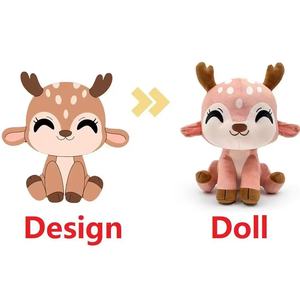
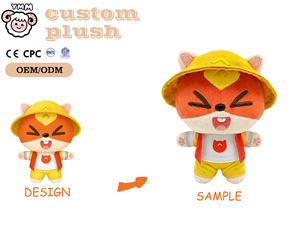
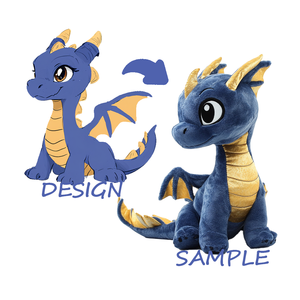
The timeline from concept to store shelf has compressed by nearly 50%. Top plush exporters now accept digital Tech-Packs (CAD drawings, color pantones, 3D renders) and leverage precision laser cutting machines to generate physical samples within 7 to 10 days. Pre-production sampling approval has become a seamless digital-first workflow.
5. Emerging Product Development & Aesthetic Trends
Understanding end-user intent is crucial for corporate buyers planning upcoming seasonal collections. Based on global consumer analytics, four dominant plush categories are capturing market share:
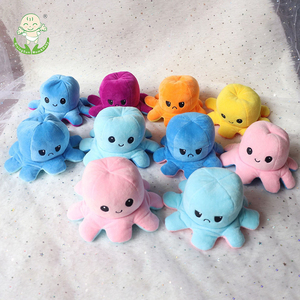
- Sensory & Emotional Support Plushies: Reversible mood toys (e.g., flip octopus dolls), weighted anxiety-relief animals, and tactile plush pillows are dominating social media trends and retail impulse aisles.
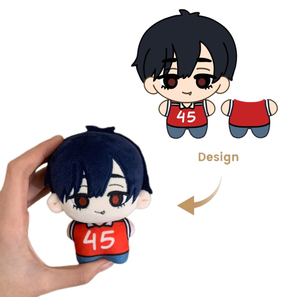
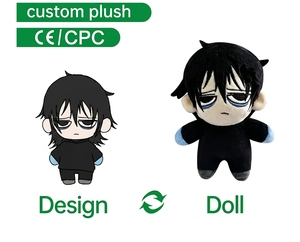
- Anime, Gaming & Pop-Culture Collectibles: Precision-embroidered human character dolls (5cm to 20cm) featuring intricate facial detailing, soft-molded accessories, and anime styling represent the fastest-growing segment among Kidults (adult collectors).
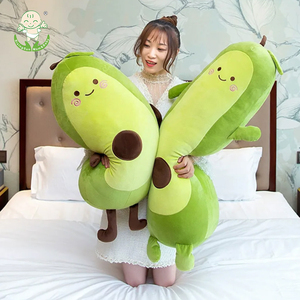
- Botanical & Culinary Home Décor Plush: Food-shaped plushies—such as green avocado cushions, giant boba tea pillows, and plush fruit slices—have expanded beyond playrooms into modern interior décor for Gen Z and Millennials.
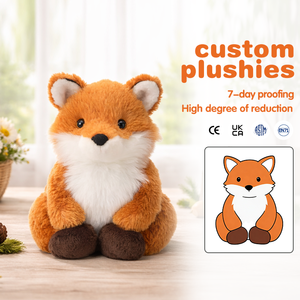
- Hyper-Realistic Simulation Plush: Advanced plush creation techniques utilizing multi-tonal sublimation printing, custom airbrushing, and anatomically accurate shaping bring lifelike animals (foxes, realistic dogs, wildlife) into museum gift shops and premium retail chains.
6. Why Partner with KID IN U Private Limited?
As a leading vertically integrated soft toy manufacturer located in Hosur, Tamil Nadu, KID IN U Private Limited provides turnkey contract manufacturing, OEM production, and private-label manufacturing for international brand owners, toy wholesalers, and corporate gift distributors.
Vertically Integrated Facility
From initial fabric inspection and precision laser panel cutting to 12-head computerized embroidery, pneumatic machine stuffing, and final hand-seam closure—every single step is executed under one roof in our Hosur factory.
Uncompromising Quality Control
Our multi-stage quality assurance protocol guarantees a 95%+ first-pass yield rate. Every finished toy undergoes mandatory 2-stage optical needle inspection and metal detection before carton sealing.
Global Export Ready
We supply international buyers with full compliance documentation, custom barcoding, retail hangtag attachments, and optimized master carton packing to maximize container volume efficiency.
7. Procurement FAQ: Machine Stuffed Toy Manufacturing
Here are answers to the most common questions asked by B2B importers, private-label brands, and sourcing agents.
Ready to Launch Your Custom Plush Toy Line?
Partner with an industry-leading machine stuffed factory in India. Get direct factory pricing, rapid prototyping, and export-grade quality control for your brand.