Featured OEM/ODM Plush & Stuffed Animal Solutions
Direct-from-factory custom manufacturing, precision embroidery, non-toxic filling, and global compliance standards.
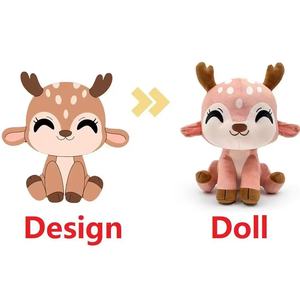
- 🧵 Fabric: Super-Soft Crystal Velvet / Velboa
- ☁️ Fill: 100% Virgin 3D PP Cotton
- 🛡️ Safety: EN71 / ASTM F963 / CPSIA
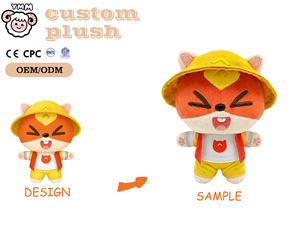
- 🧵 Size: 10cm Mini Mascot / Keychain Option
- 🪡 Craft: High-Precision Digital Embroidery
- 📦 Packing: Individual Polybag / Custom Box
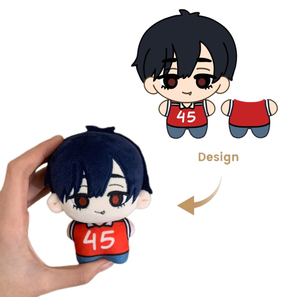
- 📐 Sizes: Scalable 5cm / 10cm / 15cm / 20cm
- 👤 Type: Anime / Humanoid Character Plush
- ⚙️ Service: Full Tech-Pack Prototyping
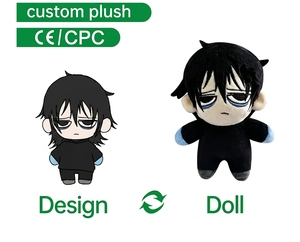
- 🦁 Styling: Realistic Simulation Artistry
- 🎨 Fabric: Faux Fur / High-Pile Acrylic Plush
- 🔍 Inspection: 100% Needle Detector Scanned
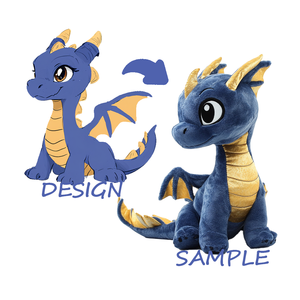
- 🦕 Series: Prehistoric / Cartoon Animal Line
- ☁️ Density: High-Resilience Compression PP Cotton
- 🏷️ Labeling: Custom Woven Fabric Brand Tags
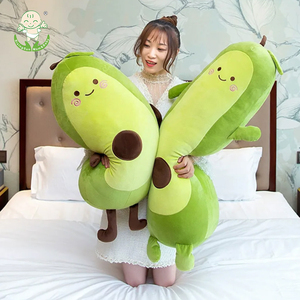
- 🥑 Category: Plush Home Decor & Cushions
- ✨ Tactile: Ultra-Soft Stretch Microfiber
- 📈 Trend: High-Growth Lifestyle Retail Item
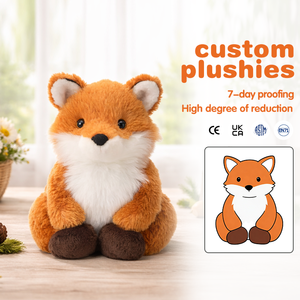
- 🦊 Application: Corporate Gifts & Merchandise
- 🎨 Color: Pantone-Matched Fabric Dyeing
- ⚡ Prototyping: 5-7 Days Express Sampling
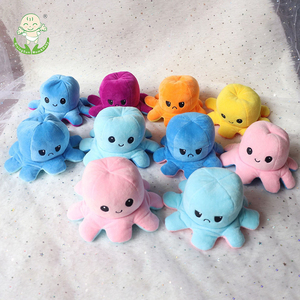
- 🔄 Feature: Reversible Dual-Expression Flip Design
- 🎯 Target: Viral Consumer & Comfort Toy
- 📊 Efficiency: High Volume Automated Stitching
🏗️ Industry Whitepaper: The Vertically Integrated Chinese Plush Ecosystem
The global soft toy and plush manufacturing industry is undergoing a structural transformation driven by stringent global safety mandates, demands for sustainable raw materials, and the rapid expansion of IP licensing. As global retail brands, amusement chains, and direct-to-consumer (DTC) plush labels evaluate procurement partners in China, fully vertically integrated OEM/ODM manufacturing facilities provide an unassailable competitive advantage over traditional trading intermediaries.
True vertical integration in soft toy manufacturing implies that every phase of production—from raw fabric sourcing, pattern digitized grading, laser cutting, multi-head computer embroidery, and automated stuffing, to dual-pass metal detection scanning—is consolidated under a unified Quality Management System (QMS ISO 9001 certified). This architecture eliminates cross-supplier latency, safeguards proprietary IP design files, and enforces rigorous batch-level traceabilities required by international customs authorities.
Precision Digital Patterning & Laser Cutting
CAD-driven automated cutting beds maintain panel tolerances within ±0.5mm, ensuring seamless assembly of complex multi-piece plush characters and zero fabric distortion.
12-Head Tajima Embroidery Integration
High-density embroidery machines render facial features, brand logos, and intricate textures with up to 1,200 stitches per minute without compromising fabric pile integrity.
Dual-Pass Metal & Ultrasonic QC Scanning
100% of finished plush items pass through high-sensitivity ferrous metal detectors (detecting broken needles down to 0.8mm) to guarantee total safety for infant and child retail end-users.
📊 OEM Sourcing Matrix: Trading Intermediaries vs. Direct Chinese Factory
Evaluating vendor capability requires looking beyond piece-rate quotes. Professional buyers evaluate total landed cost, quality risk mitigation, and compliance documentation. Below is an operational comparison reflecting China's top tier plush exporter benchmarks:
| Evaluation Metric | Trading Intermediaries / Sourcing Agents | Direct Vertically Integrated Factory |
|---|---|---|
| Prototyping Lead Time | 14 – 21 Days (Outsourced Iterations) | 5 – 7 Days (In-House Master Pattern Makers) |
| Quality Control Standard | Random Third-Party Sampling (AQL 2.5/4.0) | In-Line Inspection + 100% Needle Detector (AQL 1.5) |
| Material Traceability | Variable / Multi-Tier Sub-Contracted Fabrics | 100% OEKO-TEX & GRS Certified rPET Fabrics |
| IP & Design Confidentiality | High Risk (Exposed to Sub-Vendors) | Secured NDA + Locked Digital Pattern Repositories |
| Social Compliance Audits | Inconsistent / Third-Party Dependent | BSCI, SMETA 4-Pillar, Disney FAMA Certified |
🚀 Global Plush Market Dynamics & 2025-2030 Procurement Trends
The global plush toy market is projected to expand at a CAGR of 6.8% through 2030. To capture market share and secure margins, procurement executives must align their supply chain with four definitive technological and consumer shifts:
1. Sustainable Fabrications (rPET & Organic Cotton)
Global regulatory frameworks (such as the EU Corporate Sustainability Due Diligence Directive) are making eco-friendly plush mandatory. Leading exporters offer plush fabric made from 100% post-consumer recycled plastic bottles (rPET) alongside biodegradable PLA fillings, reducing carbon footprints by up to 42%.
2. High-Precision IP & Anime Character Plushies
The rise of global collector culture has sparked immense demand for 10cm–20cm humanoid plush dolls featuring complex multi-layered embroidery, removable printed outfits, and magnetic accessories. Manufacturing these items requires high stitch counts and tight sewing tolerances.
3. Sensory & Emotional Support Plushware
Weighted stuffed animals, reversible mood-flip plushies, and heated sensory plush items have transcended traditional toy categories into adult wellness and home decor. Strategic buyers are sourcing specialized weighted glass bead inserts sealed in double-stitched leak-proof inner pouches.
4. Rapid Prototyping & Digital Tech-Packs
Leading Chinese exporters have replaced manual paper patterns with 3D digital pattern simulation software. This enables buyers to review digital renderings before physical sampling, cutting sample cycle costs and accelerating time-to-market by 30%.
🛡️ International Safety Compliance & Testing Protocols
Cross-border plush exporting requires absolute compliance with destination market safety regulations. A single compliance failure can result in port seizures, product recalls, and severe financial penalties. Top Chinese manufacturers design products with compliance embedded into the initial bill of materials (BOM):
Key Compliance Frameworks:
- EN71 Parts 1, 2, & 3 (European Union): Mandates physical and mechanical safety (seam strength testing under 90N tension), flammability restrictions, and strict migration limits for 19 heavy metals in dye chemistry.
- ASTM F963-17 / CPSIA (United States): Requires small parts testing for children under 36 months, total lead content under 100ppm in substrates, phthalate limits below 0.1%, and mandatory tracking labels for total batch traceability.
- ISO 8124 (International Standard): Covers mechanical pull tests, sharp point evaluation, and toxicity assessments utilized in Australian, Asian, and Latin American import regimes.
❓ Frequently Asked Procurement & Technical Questions (FAQ)
Clear, authoritative answers to critical technical and logistical questions faced by enterprise procurement buyers sourcing stuffed animals from China.
Q1: What is the typical Minimum Order Quantity (MOQ) for custom OEM stuffed animals?
Answer: Standard production MOQs typically range between 500 to 1,000 pieces per design, depending on size and fabric customization. For standard stock-color fabrics (such as super-soft velboa), MOQs can start as low as 300 pieces. For custom Pantone-dyed fabrics or specialized fabric pile heights, MOQs are dictated by fabric mill minimum dyeing runs (usually 1,000 meters of material).
Q2: How does the factory handle physical sample development and tech-pack interpretation?
Answer: Buyers can submit 2D graphic vectors, character turnarounds, or physical reference photos. Our master pattern makers create a 3D paper model, select matching fabric swatches, and construct a prototype within 5 to 7 business days. Pre-production samples undergo seam-pull testing and visual audit prior to client sign-off for bulk manufacturing.
Q3: What quality control (QC) standards are enforced during bulk plush production?
Answer: Production follows AQL 1.5 Major / 4.0 Minor inspection guidelines. QC steps include: (1) IQC (Incoming Quality Control) on fabrics and fillings; (2) In-Line IPQC checking stitch density (target 8-10 stitches per inch); (3) 100% Metal Detection scanning via dual-frequency conveyor sensors; and (4) Final FQC sampling before container loading.
Q4: How are stuffed animals packed to optimize container load factors and reduce ocean freight fees?
Answer: Plush toys contain significant air volume. Professional exporters utilize heavy-duty industrial vacuum packaging. By vacuum sealing plush toys inside inner airtight bags before packing them into 5-ply corrugated export master cartons, cargo volume is reduced by 40% to 60%, drastically lowering per-unit sea freight and warehousing overhead.
Q5: What are the standard lead times from purchase order (PO) placement to port delivery?
Answer: Sample confirmation takes 5–7 days. Upon sample approval and deposit receipt, raw material procurement and fabric cutting require 15 days. Sewing, stuffing, embroidery, and finishing take 20–25 days. Final inspection, vacuum packing, and port staging require 5 days. Total turnaround time averages 45 to 60 calendar days for sea freight shipments.
Q6: Can the manufacturer provide certified recycled plush materials (rPET) for corporate eco-branding?
Answer: Yes. Fully integrated facilities maintain Global Recycled Standard (GRS) supply chain certification. We can furnish certified rPET plush fabrics, rPET sewing threads, and 100% recycled polyester fiberfill accompanied by TC (Transaction Certificates) for complete green supply chain audits.
Partner with China's Premier Soft Toy Manufacturer
Elevate your brand with vertically integrated manufacturing, certified eco-friendly materials, and master-craftsmanship plush engineering. Request your custom catalog or submit tech-packs for instant RFQ estimation.